Summary
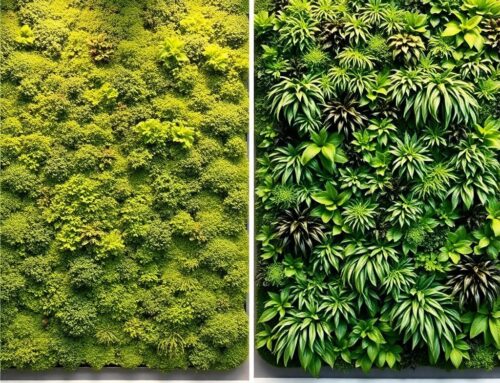
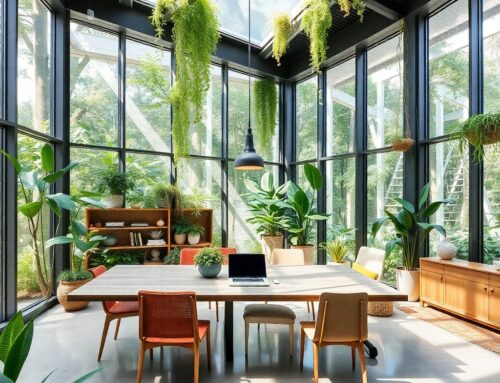
A living wall is a vertically planted system that brings real greenery onto walls indoors or outdoors. In UK homes and offices, living wall benefits include improved wellbeing, enhanced air quality, acoustic and thermal comfort, and higher biodiversity, all while making a striking design statement. Below you’ll find how living walls work, key advantages, design ideas, practical considerations, and answers to common questions, plus an overview of what influences the cost of living wall installation.
What is a living wall?
A living wall (also called a green wall or vertical garden) is a structure that supports plants growing vertically on a wall surface. Most systems include:
– A frame or panels fixed to the wall or a freestanding structure
– A growing medium (felt, pockets, or modular planters with soil/substrate)
– Irrigation and drainage to deliver water and nutrients
– Optional grow lights for low-light interiors and smart controls for irrigation
Living wall benefits UK
Why UK homeowners and workplaces choose them:
– Wellbeing and productivity: Biophilic design is linked with lower stress, improved mood, and better focus—valuable for home offices and commercial workspaces.
– Air and humidity: Plants can help reduce indoor dryness and improve perceived air freshness by trapping particulates and moderating humidity.
– Acoustic comfort: Foliage and substrate absorb and diffuse sound, softening echo in hard-surface spaces like open-plan offices and kitchens.
– Thermal moderation: Externally, a green facade can shade walls and reduce heat gain in summer; indoors it can contribute to a more stable microclimate.
– Biodiversity: Outdoor living walls support pollinators and urban wildlife; you can choose UK-friendly species for nectar, texture, and seasonal interest.
– Space efficiency: Vertical planting delivers substantial greenery without sacrificing floor area—ideal for flats, balconies, and compact offices.
– Aesthetics and branding: A signature focal point for receptions, meeting rooms, hospitality venues, and contemporary homes; can integrate signage or patterns.
– ESG and sustainability: Signals commitment to greener design and can support corporate sustainability goals.
Understanding the cost of living wall installation: key factors
If you’re exploring the cost of living wall installation, these are the main variables that typically influence a project:
– Size and plant density: Larger footprints and lush, high-density planting increase material and installation requirements.
– System type: Modular planter systems vs. felt/pocket systems, and whether the wall is indoor or outdoor.
– Irrigation: Recirculating vs. direct-to-waste systems, water storage tanks, filtration, dosing units, and smart controls.
– Lighting: Supplemental grow lights for low-light interiors, including wiring and controls.
– Access and location: Height, need for scaffolding or MEWPs, and site constraints.
– Structure and waterproofing: Load-bearing assessment, backing boards, and moisture barriers to protect the wall substrate.
– Plant palette: Specialty or mature specimens vs. more common, smaller plants.
– Aftercare: Maintenance plans for pruning, nutrient dosing, pest management, and system checks.
– Compliance: Fire-safety detailing (fire breaks, non-combustible backing), drainage containment indoors, and any landlord or freeholder approvals.
Design ideas for homes and offices
For homes (including flats and balconies):
– Kitchen herb wall: Modular planters with basil, mint, thyme, parsley; integrate drip irrigation and under-cabinet grow lights.
– Hallway or stair feature: Shade-tolerant indoor plants to brighten darker circulation spaces.
– Balcony micro-garden: Wind-tolerant, sun-loving perennials and herbs; use trellis for climbers to create privacy.
– Bathroom oasis: Moisture-loving ferns and pothos with a recirculating system designed to manage humidity and splashes.
– Family-friendly planting: Non-toxic species and secure fixings; consider front-access planters for easy care.
For offices and commercial spaces:
– Reception statement wall: Evergreen mix with brand-color accents; integrate signage and directional lighting.
– Meeting rooms: Acoustic-focused planting with dense foliage; select low-allergen species.
– Focus zones: Modular moss or low-maintenance plant panels where irrigation access is limited.
– Cafés and coworking: Edible and aromatic species to enhance ambience; integrate bench seating and planters.
UK-friendly plant suggestions
Outdoor (sun/part-sun): Heuchera, Campanula, Erigeron, thyme, small Hebe, lavender (well-drained), hardy sedums, dwarf grasses.
Outdoor (shade/part-shade): Polystichum and Asplenium ferns, Heuchera, Tiarella, Carex, Ajuga, Lamium for texture and groundcover look.
Indoor (general): Philodendron, Epipremnum (pothos), Spathiphyllum (peace lily), Chlorophytum (spider plant), ferns, Fittonia; mix textures and growth habits.
Wildlife-friendly: Verbena (compact forms), small Salvias, Campanula; choose nectar-rich, pesticide-free plants.
How living walls are installed
– Survey and design: Assess structure, loading, light, water access, and drainage; select system and planting scheme.
– Wall preparation: Waterproofing and non-combustible backboards as needed; fix rails or frames.
– Irrigation and power: Install pipework, pumps, valves, dosing, and optional sensors; provide safe electrical connections.
– Planting: Position plants for light and growth habit; ensure access panels for maintenance.
– Commissioning: Test irrigation, drainage, and lighting; set schedules; provide care guides.
Maintenance and care
– Routine checks: Monthly or bi-monthly pruning, plant health review, pest monitoring, and nutrient adjustments.
– Irrigation: Seasonal tuning; ensure drains and filters are clear; monitor reservoirs if recirculating.
– Lighting: Replace bulbs/LEDs as needed and adjust photoperiod for plant mix.
– Plant replacements: Expect occasional swaps to keep the composition full and healthy.
– Remote monitoring: Optional sensors alert to leaks, low water, or pump faults.
FAQs about living walls
What’s the difference between a living wall and a green facade?
– Living walls use modular planters or felt systems to host many plant species across the wall surface.
– Green facades grow climbers (like jasmine or ivy) up a trellis or cables from the ground or planters.
Do living walls work in the UK climate?
– Yes. With the right system and plant palette, they thrive in UK conditions; choose hardy species outdoors and consider wind/sun exposure.
Do they damage walls?
– Properly designed systems include waterproof membranes and drainage to protect the building fabric. Professional installation and maintenance are key.
How much maintenance do they need?
– Expect light, regular care: pruning, nutrient dosing, and irrigation checks. Many owners choose a maintenance contract for reliability.
Can I put one in a rented property?
– Freestanding or non-invasive frame systems are possible. Get landlord approval, especially for irrigation and power.
Do living walls improve indoor air quality?
– They can help reduce perceived pollutants and dryness, contributing to comfort. Combine with good ventilation for best results.
Are they safe with UK fire regulations?
– Specify systems with appropriate fire breaks, non-combustible backings, and careful placement away from ignition sources. Follow current guidance and seek professional advice for larger installations.
Do I need planning permission in the UK?
– Often not for standard external walls, but check with your local authority—especially in conservation areas or for listed buildings.
What affects the cost of living wall installation?
– Size, system type, irrigation and lighting complexity, plant selection, access, structural requirements, and aftercare all influence overall project outlay.
What plants are best for low light indoors?
– Ferns, pothos, philodendron, peace lily, and fittonia; supplement with grow lights if natural light is minimal.
Are moss walls the same as living walls?
– Preserved moss walls offer a greenery look with very low upkeep but are not living; planted moss or low-light plant panels are living and need irrigation.
Can a living wall help with noise?
– Yes. Foliage and substrate absorb and scatter sound, reducing echo and improving acoustic comfort.
Final tips
– Start with a pilot panel to learn maintenance rhythms before scaling up.
– Use UK-suitable species and mix textures, colors, and seasonal interest.
– Plan for access, safe irrigation, and lighting from the start to protect your wall and keep plants thriving.
– For workplaces, align plant choices with cleaning protocols and any allergen policies.
If you’d like, share your space details (indoor/outdoor, dimensions, light levels, and whether water/power are nearby) and I can suggest a tailored planting and system plan for your living wall.